Which watch should you wear with which outfit?
 By Maxime Coste•
June 27, 2026•
6 min read
By Maxime Coste•
June 27, 2026•
6 min read
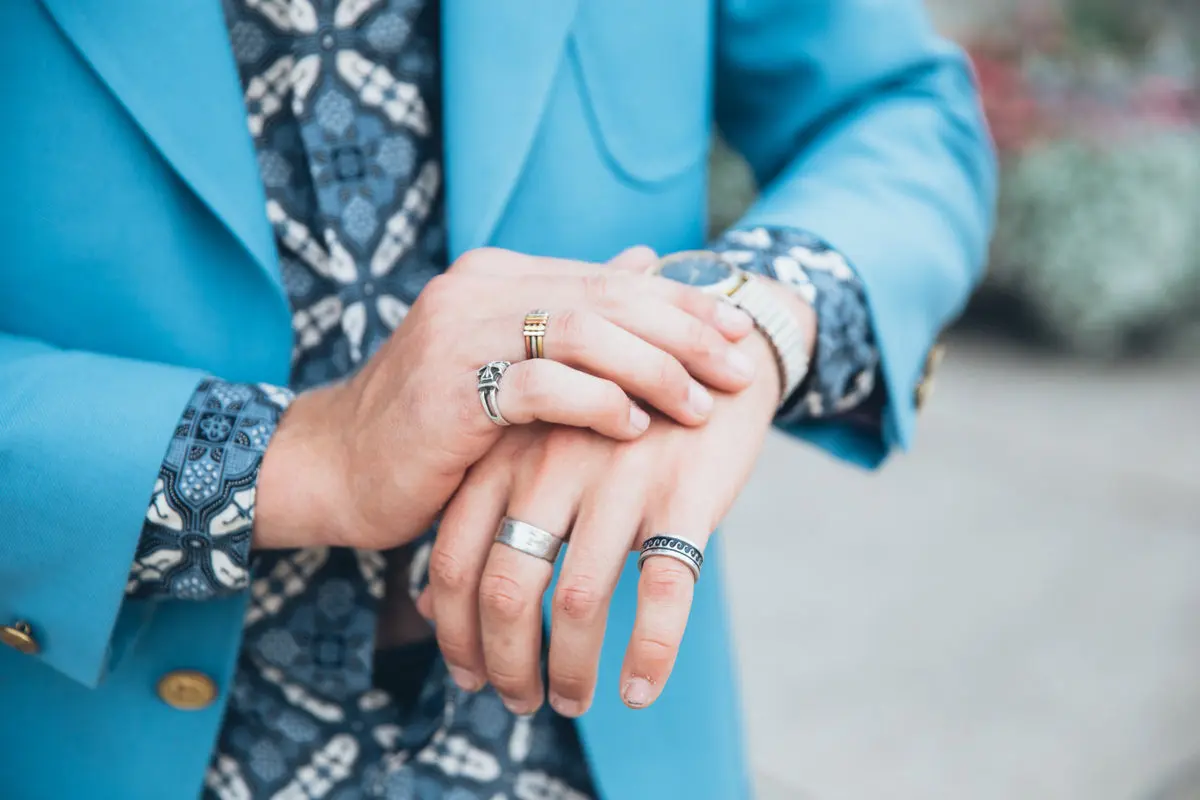
Which watch should you wear with which outfit? The answer fits in three pairings: a slim dress watch on a leather strap with formal wear, a diver or a chronograph in steel with smart casual, a field watch or a smartwatch with relaxed clothes. The watch follows the register of the outfit, never the other way round. It is often a man's only jewellery, and people notice it within a handshake. Literally.
The short version: which watch for which occasion
- Formal wear (dark suit, ceremony): slim watch on black or dark brown leather, minimalist dial.
- Smart casual (blazer, chinos): steel diver or a sober chronograph, the duo that forgives everything.
- Casual (jeans, knitwear, sneakers): almost anything works, field watch included.
- Summer, shorts and polo: fabric NATO strap, diver, or a smartwatch worn without apology.
- Sport: a smartwatch or a dedicated digital, nothing else on the wrist.
The main watch families, in two minutes
A little horology helps, because each family has an origin that explains its register. The dress watch: slim case, clean dial, leather strap, often no second hand. Born to slide under the cuff of a white shirt. The diver: rotating bezel, robust case, steel bracelet. The ISO 6425 standard for diving watches requires at least 100 metres of water resistance and a unidirectional bezel: it is a tool, not a jewel, and it shows. The chronograph: multiple sub-dials, motor racing or aviation heritage. The field watch: sober, military in origin, usually on a fabric strap. And the smartwatch, a category of its own, great for sport and out of place as soon as the outfit dresses up.
A quick historical detour, because it explains the rest. The men's wristwatch is an aviator's invention: in 1904, Louis Cartier designed a wristwatch for Alberto Santos-Dumont so the pilot could read the time mid-flight. The men's watch was born as a sporting instrument, not an ornament. Which is why a well-chosen sports watch never looks cheap.
The matching rule: follow the register, not the colour
You read everywhere that a watch must match your belt, your shoes, your cufflinks. That is true for leather (brown with brown, black with black, same colour family rather than an exact shade), but the real game is played elsewhere. A watch has a formality level, exactly like a shoe. A dress watch with shorts looks as odd as patent Oxfords on a beach. Register matters more than colour: people forgive brown leather next to black shoes, nobody forgives a chunky resin smartwatch on a tuxedo. The rule extends to your bag: a brown leather crossbody bag for men calls for a brown strap, never a black one.
In practice? With a formal suit: slim watch on leather, white, silver or black dial, case no bigger than 40 mm. With a blazer or relaxed formal wear: steel diver or sober chrono, the tie-and-bezel match optional for enthusiasts.
With jeans and a shirt: the ideal playground, from vintage pieces to modern ones. For a wedding, same reflexes as when you dress for a wedding as a guest: sobriety first, the watch must not steal the show. And in summer, with shorts: field watch on a NATO or a diver, never thick leather that soaks up sweat.
The watch and outfit pairing table
| Outfit | Recommended watch | Strap | Avoid |
|---|---|---|---|
| Formal suit, ceremony | Slim dress watch, clean dial | Black or dark brown leather | Smartwatch, bulky chrono |
| Smart casual (blazer, chinos) | Diver, sober chronograph | Steel, grained leather | Sports resin |
| Jeans + shirt or knitwear | Diver, field, chrono, vintage | Steel, NATO, leather | Very formal dress watch |
| Casual summer, shorts | Field, diver, smartwatch | Fabric NATO, rubber | Thick leather (sweat) |
| Sport | Smartwatch or dedicated digital | Silicone | Everything else |
Which watch size for your wrist?
Case size is the detail everyone sees except you. A 36 to 40 mm case suits most male wrists; up to 42 mm on a strong wrist, and rather 34 to 38 mm on a slim one. The failproof check: the lugs must never extend beyond the width of your wrist. Too big, the watch looks like a costume prop. Too small, it looks borrowed. Thickness counts too: under a shirt cuff, an 8 to 10 mm case slides through, a 15 mm slab distorts the cuff and forces you to tug at your sleeve just to read the time.
Straps and colours: the most underrated lever
The strap changes a watch's status faster than any complication. The same three-hander goes from office to weekend in thirty seconds: leather for the meeting, NATO for Saturday, steel for everything else. Count roughly 15 to 40 dollars for a decent NATO, 50 to 120 for good leather. It is the cheapest accessory in the whole wardrobe, and one of the most visible.
On colour, three tips are enough. One: the strap's leather should sit in the same family as the other leathers in the outfit, belt and shoes first. Two: steel goes with everything, from a grey suit to the sharpest urban look. Three: the dial can echo one piece of the outfit (blue dial, blue shirt), without turning it into an obsession. Our guide on how to match colours in an outfit covers the colour family logic, and it applies at the wrist too.
Which watch should you buy if you only own one?
Still hesitating over your first watch? Take a sober three-hander: steel case of 38 to 40 mm, white or black dial with no frills, on a steel bracelet or with two interchangeable straps. It handles a relaxed suit as well as a summer polo, and covers 95 percent of situations. Purists will go for a mechanical self-winding movement, alive on the wrist and repairable for decades; pragmatists for quartz, accurate to a few seconds a month and maintenance-free. Both are fine choices, and nobody can tell through the crystal.
A word on style: do not look for inspiration in windows full of five-figure mechanical pieces. Look at your own wardrobe. Full of suits? Choose a slim, classic watch. Leaning towards jeans and sneakers? A diver or a field watch will earn its keep. The watch joins the clothes you already own, it does not replace them. And forget the myth of the watch that commands respect: a sober, well-proportioned piece always says more than a crowded dial.
Frequently asked questions
Can you wear a sports watch with a suit?
A sober diver on a steel bracelet works with a relaxed suit, it is even a classic. A smartwatch or a bulky resin chronograph, however, clashes with formal wear: keep them for sport and casual looks.
Should the strap match your belt and shoes?
For leather, yes in spirit: brown with brown, black with black. No need for an identical shade, the same colour family is enough. Steel goes with everything, formal or casual.
Which case size should you choose?
Between 36 and 40 mm for most wrists, up to 42 mm for larger ones. The lugs should never extend beyond the width of your wrist, and a slim case sits better under a cuff.
Can one watch do everything?
Yes: a sober three-hander, 38 to 40 mm steel case, white or black dial, with two interchangeable straps (steel and leather). It will follow you from the office to the weekend without a wrong note.
Maxime Coste writes about menswear, well-cut basics and dressing well without overspending. He tests, wears and recommends pieces made to last several seasons.